All Categories
Featured
Table of Contents
- – The Expanding Demand for Financial Obligation ...
- – Personal bankruptcy Therapy: The Misunderstood...
- – Comparing Your Financial Obligation Alleviatio...
- – What Sets Nonprofit Counseling Apart
- – Warning Indicators of Predatory Financial Debt...
- – Taking the Initial Step Toward Recovery
- – The Course Ahead
Financial tension has actually become a specifying quality of contemporary American life. With complete credit rating card financial obligation surpassing $1.21 trillion and the typical cardholder owing greater than $6,500, millions of individuals locate themselves caught in cycles of minimum settlements and worsening interest. When credit report card rates of interest float around 23%, even small balances can swell into frustrating concerns within months.
For those drowning in the red, the question isn't whether to look for help-- it's discovering the right type of aid that won't make matters worse.
The Expanding Demand for Financial Obligation Mercy Solutions
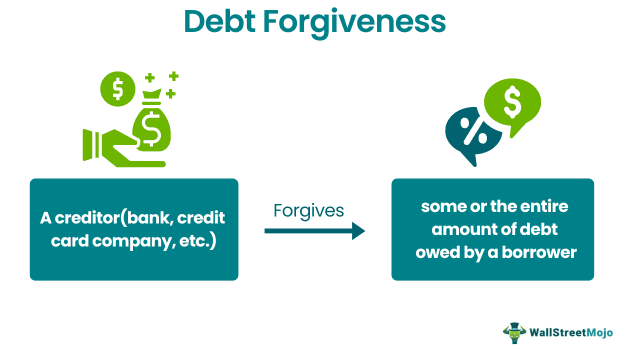
Financial obligation forgiveness has emerged as one of the most browsed monetary subjects on the internet, and for great reason. The concept of settling financial debts for much less than the sum total owed deals authentic want to people that see no realistic course to paying their equilibriums completely.
The process typically works such as this: when charge card accounts go overdue for 120 days or more, creditors often charge off the financial obligation. At this phase, they may accept decreased negotiations to recoup at the very least a portion of what's owed. Successful arrangements can decrease equilibriums by 30% to 50%, relying on the creditor and your shown financial hardship.
Nevertheless, financial debt forgiveness isn't cost-free cash. Resolved accounts appear on debt reports as "" paid much less than full balance,"" which influences your rating. Additionally, forgiven quantities exceeding $600 may be reported to the IRS as gross income. Understanding these trade-offs prior to seeking negotiation is crucial.
Personal bankruptcy Therapy: The Misunderstood Safeguard
Insolvency lugs significant stigma, yet it continues to be a legitimate legal tool made to provide overloaded individuals a real new beginning. What many individuals don't know is that federal legislation calls for 2 therapy sessions before and after declaring-- and these sessions exist especially to guarantee you're making an educated decision.
Pre-bankruptcy debt therapy entails a detailed testimonial of your income, debts, and expenses. Licensed counselors present options you may not have considered, including debt monitoring programs or difficulty settlements. This isn't concerning dissuading personal bankruptcy; it has to do with verifying it's truly your best option.
Post-bankruptcy debtor education prepares you for financial success after discharge. You'll learn budgeting techniques, conserving approaches, and credit history rebuilding comes close to developed to stop future financial problems.
Organisations like APFSC offer both called for courses, with fees around $19.99 per session unless you get approved for challenge waivers. Their licensed therapists give same-day certificates, and sessions usually run 60 to 90 mins. This accessibility matters when you're currently stressed regarding finances.
Comparing Your Financial Obligation Alleviation Options
Understanding the landscape of financial debt alleviation assists you make educated choices. Each method carries distinct benefits and disadvantages.
Financial Debt Management Programs combine numerous unsafe debts into single regular monthly settlements. Counselors bargain with creditors to potentially lower rates of interest without needing brand-new finances. Many customers full these programs within 3 to five years. The primary benefit is paying financial debts completely while minimizing overall interest paid.
Financial obligation Settlement bargains reduced payback amounts, normally 30% to 50% much less than owed. This approach needs quiting payments to creditors while gathering settlement funds, which harms credit report during the procedure. Results vary based on lender determination and your demonstrated difficulty.
Bankruptcy offers court defense while getting rid of or restructuring financial debts. Phase 7 liquidates specific properties to release unsafe debts rapidly. Chapter 13 develops three-to-five-year repayment plans for those with regular revenue. Personal bankruptcy continues to be on credit rating records for 7 to 10 years however offers the most thorough clean slate.
Debt Counseling supplies education and guidance without necessarily signing up in formal programs. Licensed counselors assess your complete financial image and advise proper following actions, which could consist of any one of the above options.
What Sets Nonprofit Counseling Apart
The distinction in between nonprofit and for-profit financial debt relief companies matters significantly. Nonprofit companies like those licensed by the National Foundation for Credit History Counseling (NFCC) operate under strict moral standards and charge laws. Their counselors go through rigorous accreditation and needs to recertify every 2 years.
For-profit financial debt settlement firms, conversely, may bill costs ranging from 15% to 25% of registered financial debt equilibriums. Some use hostile sales techniques and make unrealistic guarantees about outcomes. The Customer Financial Defense Bureau has actually recorded numerous grievances regarding predacious techniques in this industry.
APFSC runs as a not-for-profit therapy firm, using cost-free financial debt monitoring assessments and regulated costs for recurring services. Their HUD-approved housing therapists add value for those facing foreclosure alongside general financial obligation issues. Providers are offered in English, Spanish, and Portuguese, increasing access to underserved neighborhoods.
Research sustains the performance of not-for-profit therapy. A study commissioned by the NFCC located that credit report therapy customers reduced revolving financial debt by $3,600 greater than contrast groups throughout the 18 months following their sessions. Almost 70% of individuals reported improved cash administration and greater financial confidence.
Warning Indicators of Predatory Financial Debt Relief Services
Not all financial debt relief business have your best passions in mind. Recognising warnings protects you from making a hard circumstance worse.
Beware of companies that guarantee specific outcomes. No legit service can promise precise settlement percentages or timeline warranties because outcomes rely on individual financial institutions and circumstances.
Avoid any firm demanding huge ahead of time fees prior to offering solutions. Legit not-for-profit therapy supplies cost-free initial assessments, and for-profit settlement firms are lawfully forbidden from accumulating costs till they successfully work out at the very least one debt.
Question any individual advising you to quit communicating with financial institutions completely without explaining the consequences. While critical communication stops often sustain settlements, complete evasion can lead to claims, wage garnishment, and added damage.
Legit companies explain all alternatives honestly, including alternatives that could not include their paid services. If a business presses just one service regardless of your scenario, seek guidance elsewhere.
Taking the Initial Step Toward Recovery
Financial healing begins with honest analysis. Gather your newest statements for all financial debts, calculate your total obligations, and examine your realistic monthly repayment ability. This info forms the foundation for any effective counseling session.
Think about organizing cost-free appointments with numerous not-for-profit companies before devoting to any type of program. Contrast their referrals, charge structures, and communication designs. The right therapy relationship need to feel helpful rather than pushing.
Organisations like APFSC provide online conversation, phone examinations, and thorough intake procedures developed to understand your distinct scenario before advising solutions. Their financial debt management calculator helps you visualise possible timelines and financial savings prior to enrolling.
The Course Ahead
Overwhelming financial debt does not specify your future-- but ignoring it will. Whether financial debt mercy, insolvency counseling, or structured financial obligation management makes good sense for your scenario depends on elements unique to your conditions.
Professional advice from licensed not-for-profit therapists brightens choices you might never uncover independently. These services exist particularly to help people like you navigate complex financial difficulties without predacious costs or impractical guarantees.
The ordinary American fighting with financial obligation waits much also lengthy prior to seeking assistance, permitting interest to compound and alternatives to slim. Monthly of hold-up expenses cash and expands your recuperation timeline.
Life After Credit Counseling: Action Plan and Check-InsYour first conversation with a certified counselor prices absolutely nothing however can transform every little thing. Financial liberty isn't reserved for the lucky-- it's readily available to any individual happy to take that preliminary action toward recognizing their choices and devoting to a reasonable plan.

Table of Contents
- – The Expanding Demand for Financial Obligation ...
- – Personal bankruptcy Therapy: The Misunderstood...
- – Comparing Your Financial Obligation Alleviatio...
- – What Sets Nonprofit Counseling Apart
- – Warning Indicators of Predatory Financial Debt...
- – Taking the Initial Step Toward Recovery
- – The Course Ahead
Latest Posts
Essential Things to Ask Any Debt Relief Provider Fundamentals Explained
The smart Trick of Recession and Growing Need for Debt Forgiveness That Nobody is Talking About
What Sets APFSC Differ in Competing Debt Relief Organizations Fundamentals Explained
More
Latest Posts
Essential Things to Ask Any Debt Relief Provider Fundamentals Explained
The smart Trick of Recession and Growing Need for Debt Forgiveness That Nobody is Talking About
What Sets APFSC Differ in Competing Debt Relief Organizations Fundamentals Explained